
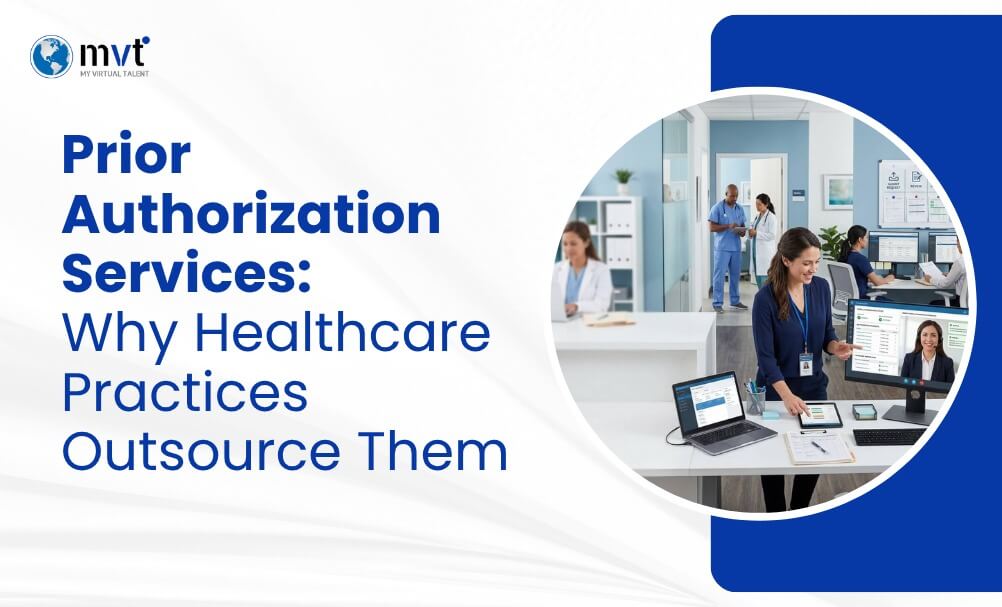
Running a medical practice today involves much more than caring for patients. Behind every appointment, procedure, and treatment plan is a significant amount of administrative work that keeps the practice operating smoothly. One of the most time-consuming parts of that process is obtaining insurance approvals for treatments, medications, and procedures.
For many healthcare providers and office staff, dealing with insurance requirements can take up a large portion of the day. Between gathering documentation, submitting requests, responding to follow-up questions, and tracking approval status, the process can be both repetitive and frustrating.
As patient volumes grow and insurance requirements become more complex, many practices are looking for ways to reduce the administrative burden on their teams. One option is working with specialists who focus specifically on handling prior authorizations.
For healthcare companies, the goal is simple: spend less time navigating paperwork and more time delivering quality care. When admin processes run more smoothly, providers, staff, and patients benefit.
KEY TAKEAWAYS: What This Article Covers
- What prior authorization services are and how the process works
- Why healthcare practices outsource prior authorization
- Benefits of outsourcing authorization tasks
- Common challenges with in-house authorization teams
- How outsourcing improves revenue cycle performance
Quick Answer: Why Do Healthcare Practices Outsource Prior Authorization Services?
Healthcare practices outsource prior authorization services to reduce administrative workload, speed up insurance approvals, improve patient care, and allow medical staff to focus on clinical responsibilities rather than paperwork.
What Are Prior Authorization Services?
Prior authorization is a process where a healthcare provider must obtain approval from a patient’s insurance company before certain treatments, medications, medical equipment, or procedures can be provided. The purpose is to confirm that the requested care meets the insurer’s requirements and is covered under patient’s health plan.
One of the biggest challenges is that every insurance company has its own requirements, forms, and review processes. What is approved through one insurer may require completely different documentation through another. In addition, these needs can change over time, making it difficult for medical offices to stay current.
Due to complexity, managing prior authorizations needs careful attention to detail, accurate documentation, and ongoing communication with insurance companies.
How the Prior Authorization Process Works
The prior authorization process is notoriously complex, involving multiple steps and constant communication between the provider and the payer.
Request submission
The process begins when a physician determines a patient needs a specific treatment or medication. The clinic’s staff may gather all necessary medical records, clinical notes, and justification for the procedure. They then give this documentation to the patient’s insurance company through an online portal, fax, or phone call.
Insurance review
Once the payer receives the request, their clinical review team evaluates the submission against their specific medical policies. During this stage, the insurance company may request additional documentation, clinical evidence, or peer-to-peer consultations with the prescribing physician to justify the medical necessity.
Approval or denial
After reviewing the clinical information, the insurance company issues a decision. An approval means the practice can move forward with treating the patient, knowing the service will be covered. A denial means the insurance company refuses to pay, need the practice to either submit a complex appeal or inform the patient of their out-of-pocket costs.
Patient scheduling
If the request is approved, the practice can finally coordinate with the patient to schedule their procedure or treatment. Rapid approvals are critical at this stage, as extensive delays can lead to patient anxiety, worsening medical conditions, or patients abandoning their care altogether.
Common Challenges Healthcare Practices Face
Managing the prior authorization process internally places enormous strain on medical practices. Providers consistently struggle with several key operational bottlenecks.
Staff shortages
The healthcare industry faces unprecedented staffing shortages. Finding, training, and retaining qualified administrative staff is incredibly difficult. When practices lack enough personnel, authorization requests pile up, leading to severe bottlenecks in patient care and practice operations.
Delayed approvals
Insurance companies are known for slow response times. A simple request can take days or even weeks to process. These delayed approvals frustrate patients who are waiting for relief and put unnecessary stress on doctors who want to deliver timely medical interventions.
High administrative burden
Physicians and nurses spend hours every week dealing with paperwork instead of treating patients. The sheer volume of phone calls, portal submissions, and follow-ups required to secure an authorization creates an unsustainable administrative burden for clinical teams.
Increased claim denials
Insurance companies frequently deny claims due to minor clerical errors, missing clinical notes, or missed submission deadlines. Increased claim denials force practices to spend additional time filing appeals, which drastically reduces overall practice productivity.
Revenue delays
When procedures are delayed due to pending authorizations or denied claims, the practice cannot bill for those services. These revenue delays disrupt cash flow, making it difficult for healthcare organizations to cover overhead costs, pay staff, and maintain profitability.
Why Healthcare Practices Outsource Prior Authorization Services
To overcome these operational hurdles, forward-thinking medical practices are turning to third-party experts. Medical prior authorization services provide targeted relief.
Reduce staff workload
By delegating authorization tasks to external specialists, clinics immediately lift a heavy burden off their internal teams. Front desk staff and nurses no longer have to spend hours on hold with insurance representatives, allowing them to redirect their energy toward direct patient care.
Improve approval turnaround times
Outsourced teams specialize entirely in authorizations. They understand exactly what each insurance company requires and submit flawless documentation on the first try. This precision helps improve approval turnaround times, ensuring patients get treated faster.
Increase operational efficiency
Outsourcing eliminates the chaotic, start-and-stop nature of handling authorizations in-house. Dedicated virtual teams create smooth, standardized workflows. This increases operational efficiency, meaning the clinic can handle a higher volume of patients without adding physical office space.
Improve patient satisfaction
Patients hate waiting for care. When practices use a prior authorization virtual assistant to speed up approvals, patients experience fewer delays and less frustration. Faster access to care naturally leads to higher patient satisfaction and better online reviews for the clinic.
Reduce burnout
The relentless demands of insurance paperwork are a leading cause of burnout among healthcare professionals. Removing this friction protects the mental health of doctors and nurses, leading to better staff retention and a much healthier workplace culture.
Benefits of Outsourcing Prior Authorization Services
Partnering with a specialized medical practice outsourcing firm delivers profound advantages that directly impact the bottom line.
Cost savings
Maintaining a full-time, in-house authorization department requires paying salaries, benefits, paid time off, and office equipment costs. Outsourcing converts these high fixed costs into manageable variable costs, delivering significant cost savings for the practice.
Dedicated specialists
Insurance rules change constantly. Outsourced teams consist of dedicated prior authorization specialists who track payer updates daily. Their deep expertise ensures that requests are coded correctly and supported by the exact clinical documentation required.
Better accuracy
Clerical errors are the leading cause of authorization denials. Healthcare outsourcing services utilize strict quality assurance protocols to catch mistakes before a request is submitted. This better accuracy drastically reduces the likelihood of frustrating rejections.
Faster processing
Because outsourced teams are solely focused on authorizations, they do not get distracted by ringing phones or waiting room patients. They follow up relentlessly with payers, resulting in much faster processing times than an in-house team juggling multiple duties.
Scalable support
Patient volume naturally fluctuates throughout the year. Outsourced medical prior authorization services offer scalable support, allowing a clinic to easily increase or decrease their authorization capacity based on current demand without hiring or firing internal staff.
How Prior Authorization Outsourcing Improves Revenue Cycle Management
Prior authorizations are the gateway to a healthy revenue cycle. Fixing this front-end process has a massive ripple effect on a clinic’s financial stability.
Faster reimbursements
When authorizations are secured quickly and accurately before a procedure, the subsequent billing process is seamless. Claims pass through the payer’s system without a hitch, leading to much faster reimbursements for the practice.
Fewer denials
A dedicated prior authorization specialist knows how to prevent the technical errors that trigger automated insurance rejections. By ensuring every requirement is met upfront, practices experience significantly fewer denials.
Better cash flow
Consistent, predictable claim approvals eliminate the massive revenue gaps caused by stalled authorizations. Better cash flow allows healthcare business owners to confidently invest in new medical equipment, marketing, or facility expansions.
Improved collections
When authorizations are handled correctly, patients have a clear understanding of their financial responsibilities before treatment begins. This transparency leads to improved collections at the point of service, reducing the need for costly back-end debt collection efforts.
In-House vs Outsourced Prior Authorization Services
Deciding how to manage authorizations is a critical business choice. This comparison highlights why healthcare practice outsourcing is gaining so much traction.
Comparison Table
| Feature | In-House Team | Outsourced Team |
|---|---|---|
| Cost | Higher | Lower |
| Staffing | Limited | Scalable |
| Turnaround Time | Variable | Faster |
| Expertise | General | Specialized |
Healthcare Specialties That Benefit Most from Prior Authorization Outsourcing
While all medical providers deal with insurance red tape, certain fields face a much higher burden due to the cost and complexity of their treatments.
Cardiology
Cardiologists frequently order expensive diagnostic tests, such as echocardiograms and nuclear stress tests, as well as complex surgical interventions. These high-cost procedures heavily rely on rapid healthcare prior authorization support to prevent life-threatening delays.
Orthopedics
Orthopedic clinics manage a high volume of MRIs, physical therapy orders, and joint replacement surgeries. Because these procedures are heavily scrutinized by insurers for medical necessity, outsourcing prior authorization is crucial for maintaining surgical schedules.
Oncology
Cancer treatments involve incredibly expensive, cutting-edge medications and radiation therapies. Oncology practices outsource prior authorization services to ensure patients can begin their time-sensitive, life-saving regimens without bureaucratic interruptions.
Behavioral Health
Mental health professionals often face strict session limits and rigorous authorization requirements for intensive outpatient programs. Utilizing prior auth services ensures continuous, uninterrupted care for vulnerable patients.
Physical Therapy
Physical therapy clinics submit ongoing authorization requests as patients progress through extended treatment plans. A prior authorization virtual assistant easily manages these recurring requests, ensuring the clinic gets paid for every session.
Pain Management
Pain management relies heavily on advanced injections, nerve blocks, and highly regulated medications. Insurance authorization services help these clinics navigate stringent payer guidelines and avoid costly compliance issues.
Signs Your Practice Needs Prior Authorization Support
Many practices tolerate broken processes for too long. Recognize the warning signs that indicate your clinic is ready for external help.
Growing patient volume
If your clinic is successfully attracting new patients, but your front desk is drowning in paperwork, growth will stall. Outsourcing removes this bottleneck, allowing you to scale your practice comfortably.
Staff burnout
When employees are constantly stressed, calling in sick, or quitting due to overwhelming workloads, it is a clear sign that administrative tasks have become unmanageable.
Delayed approvals
If physicians are frequently forced to reschedule procedures because the authorization has not cleared, your current system is failing your patients and your schedule.
Revenue challenges
Practices experiencing unpredictable cash flow, delayed payments, or mounting accounts receivable often trace the root cause back to front-end authorization failures.
Increased denials
A sudden spike in claim denials specifically related to “no authorization on file” or “lack of medical necessity” is a glaring red flag that your internal team requires immediate prior authorization management support.
How to Choose the Right Prior Authorization Service Provider
Selecting the right partner is vital to the success of your outsourcing initiative. Evaluate potential vendors based on these essential criteria.
Healthcare experience
Do not hire a generic call center. Look for a provider specializing in medical prior authorization services with deep knowledge of medical terminology, coding standards, and payer portals.
HIPAA compliance
Data security is non-negotiable. Ensure the vendor strictly follows all HIPAA guidelines, utilizes secure networks, and routinely trains their staff on patient privacy protocols.
Communication process
A successful partnership requires seamless collaboration. Choose a vendor that integrates smoothly with your Electronic Health Record (EHR) system and provides transparent, daily communication regarding pending authorizations.
Reporting capabilities
You need visibility into your metrics. The best providers offer robust reporting capabilities, allowing you to track approval rates, average turnaround times, and denial reduction statistics.
Staffing expertise
Ensure the company employs highly trained prior authorization specialists who have specific experience handling the nuances of your unique medical specialty.
Why Healthcare Practices Choose MyVirtualTalent
When medical practices need reliable administrative relief, they partner with the experts at MyVirtualTalent. We provide highly skilled virtual professionals who integrate seamlessly into your clinic’s workflow.
Experienced healthcare support teams
Our specialists possess deep expertise in healthcare operations. When you use our medical process outsourcing solutions, you gain a team that understands complex payer policies and clinical documentation requirements inside and out.
HIPAA-aware professionals
We prioritize the security of your patient data. Every virtual medical assistant we provide is thoroughly trained in strict HIPAA compliance protocols, ensuring that sensitive health information is always protected.
Cost-effective outsourcing
We help practices cut operational costs significantly. By partnering with MyVirtualTalent, clinics avoid the high expenses associated with local hiring while receiving premium, reliable authorization support.
Flexible staffing
We understand that every practice operates differently. Whether you need a single prior authorization specialist or an entire team to manage your revenue cycle, our flexible staffing models adapt to your exact needs.
Scalable solutions
As your practice grows, your administrative demands will increase. Our scalable solutions ensure you always have the right amount of support to manage rising patient volumes without missing a beat.
FAQs – Prior Authorization Services
What are prior authorization services?
Prior authorization services help healthcare providers obtain insurance approvals before certain treatments, procedures, medications, or diagnostic tests are performed. These services help ensure coverage while reducing delays and claim denials.
Why do healthcare practices outsource prior authorization services?
Healthcare practices outsource prior authorization services to reduce administrative workload, improve efficiency, speed up approvals, and allow providers to focus more on patient care instead of paperwork.
Can outsourcing prior authorization reduce claim denials?
Yes. Experienced prior authorization specialists help ensure accurate documentation, timely submissions, and proper follow-up, which can reduce denials and improve reimbursement rates.
Is prior authorization outsourcing HIPAA compliant?
Reputable prior authorization outsourcing providers follow HIPAA guidelines and use secure processes to protect patient information while managing authorization requests.
What healthcare specialties benefit most from prior authorization support?
Specialties such as cardiology, orthopedics, oncology, behavioral health, pain management, and physical therapy often benefit significantly because they handle frequent authorization requirements.
Key Takeaways
Handling prior authorizations has become a significant part of running a healthcare practice. As insurance requirements become more detailed and administrative workloads continue to grow, many medical offices find it challenging to manage authorization requests while supporting patients and keeping daily operations on track.
When authorization requests start piling up, staff can spend a considerable amount of time gathering documents, following up with insurance companies, tracking approvals, and resolving issues. This can create additional pressure on teams that are already balancing multiple responsibilities throughout day.
To help manage this workload, many healthcare companies choose to work with dedicated prior authorization specialists. Having experienced professionals handle these tasks may help practices stay organized, improve turnaround times, and reduce the amount of administrative work placed on internal staff.
This approach may be especially helpful for growing practices, organizations dealing with staffing challenges, or teams managing a high volume of insurance-related requests. By having support in place for authorization processing, physicians and clinical staff can spend more of their time focused on patient care and less time navigating paperwork.
MyVirtualTalent provides reliable prior authorization services, healthcare support professionals, and medical outsourcing solutions that help healthcare practices improve efficiency, reduce administrative burden, and deliver a better patient experience. Our experienced team supports healthcare organizations with scalable, cost-effective solutions designed to help practices grow successfully.

Looking for fresh content?
Get articles and insights from our weekly newsletter.
Recent Posts






Reduce Your Marketing Spend By 70% And Grow Your Revenue Organically 10X Faster!
Get a Free Quote Today!